

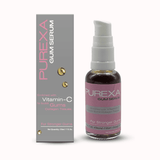








If you’ve noticed a white spot, mild sensitivity, or an early sign of tooth decay, you may be wondering: Can I reverse a cavity naturally?
The answer depends on how far the decay has progressed.
Very early tooth decay, before a physical hole has formed, may be remineralized or arrested by improving the conditions around the tooth. But once decay has progressed into a true cavity with loss of tooth structure, toothpaste, diet, probiotics, or home remedies cannot simply grow the missing tooth structure back. At that stage, professional dental treatment may be necessary.
Understanding this difference is important—and it also explains why protecting enamel and maintaining a healthy oral environment every day matters.
How Does a Cavity Actually Start?
A cavity usually doesn't appear overnight.
Our mouths contain hundreds of different types of microorganisms. When we frequently consume sugary or carbohydrate-rich foods and drinks, certain bacteria in dental plaque metabolize these carbohydrates and produce acids.
These acids can gradually pull minerals such as calcium and phosphate out of tooth enamel. This process is known as demineralization.
Fortunately, your mouth also has a natural defence system: saliva. Saliva helps neutralize acids and supplies minerals that can return to the enamel.
So throughout the day, your teeth are essentially going through a cycle:
Demineralization → Remineralization → Demineralization → Remineralization
When mineral loss repeatedly exceeds mineral replacement, an early carious lesion can develop and eventually progress into a cavity.
So, Can a Cavity Reverse Naturally?
Early-stage decay: potentially, yes.
In the earliest stage, the enamel has started losing minerals but the tooth surface is still intact. You may sometimes notice a chalky or white spot on the enamel.
At this stage, improving oral hygiene, reducing frequent sugar exposure and supporting remineralization may help arrest or potentially reverse the early demineralization process.
A cavity with a physical hole: no.
Once enough tooth structure has been destroyed to create a cavitation or hole, remineralization alone cannot rebuild the missing structure.
This is why waiting for tooth decay to hurt before seeing a dentist isn't a good strategy. Early decay is often much easier to manage than advanced decay.
What Helps Support Natural Remineralization?
The goal isn't to find a miracle ingredient that "heals cavities." Instead, think about creating an oral environment where enamel has a better opportunity to remain mineralized.
That means:
-
Brushing thoroughly twice daily
-
Cleaning between the teeth every day
-
Limiting frequent sugary snacks and drinks
-
Avoiding constant sipping on sweetened beverages
-
Supporting healthy saliva production
-
Getting regular dental examinations
-
Using evidence-based remineralizing oral-care ingredients
This is also where ingredients such as nano-hydroxyapatite are attracting interest.
Nano-Hydroxyapatite: Supporting the Mineral Side of Enamel Care
Hydroxyapatite is particularly interesting because it closely relates to the mineral structure of our teeth.
Tooth enamel consists largely of hydroxyapatite crystals containing calcium and phosphate.
Nano-hydroxyapatite (nHA) consists of extremely small hydroxyapatite particles designed for use in oral-care formulations.
Research has investigated nHA for its potential to support the remineralization of early enamel lesions. A systematic review found that under remineralizing conditions, nano-hydroxyapatite demonstrated remineralizing potential, although the authors emphasized that the overall clinical evidence remains limited and further high-quality studies are required.
This distinction matters: nano-hydroxyapatite shouldn't be described as an ingredient that magically "fills cavities." Its more scientifically appropriate role is as an ingredient that may support enamel remineralization during the early stages of mineral loss.
But Cavities Aren't Just About Minerals—They're Also About the Oral Microbiome
For years, cavity prevention was often described simply as "removing bad bacteria."
Today, we understand that the mouth contains a complex oral microbiome.
The goal isn't to eliminate every microorganism. Instead, maintaining a balanced oral environment may be important because dental caries is associated with ecological changes that favour acid-producing, acid-tolerant microorganisms.
One of the bacteria frequently associated with dental caries is Streptococcus mutans.
This has led researchers to investigate another interesting approach to oral care:
Probiotics.
Can Probiotics Help Protect Against Cavities?
Probiotics are beneficial microorganisms that, depending on the specific strain and formulation, may help influence the microbial environment.
Research into oral probiotics has investigated whether particular probiotic strains can reduce levels of cariogenic bacteria such as Streptococcus mutans.
Some systematic reviews have found reductions in S. mutans following probiotic interventions. However, the results vary substantially depending on the probiotic strain, dose, delivery method and duration of use.
Importantly, a 2026 systematic review and network meta-analysis concluded that probiotic supplementation showed a limited and time-dependent ability to modify S. mutans levels, with effects that were strain-specific. The researchers recommended considering probiotics as an adjunct rather than a replacement for conventional cavity-prevention measures.
In other words:
Probiotics aren't a cure for cavities.
But they represent an interesting additional strategy for supporting a healthier oral microbial environment.
Also Read - Does Probiotic Toothpaste Actually Work? Here's What Science Says
Also Read - How Probiotics Help in Cavity?
A Two-Sided Approach: Enamel + Oral Microbiome
This brings us to an important concept in modern preventive oral care.
Cavity prevention isn't only about the tooth.
It's also about the environment surrounding the tooth.
That's why combining nano-hydroxyapatite and probiotics is an interesting approach:
Nano-Hydroxyapatite → supports the mineral side of enamel care
Probiotics → help support a balanced oral microbial environment
Rather than focusing on only one part of the cavity process, the combination takes a broader approach to everyday oral health.
PUREXA Probiotic Toothpaste with Nano-Hydroxyapatite
PUREXA Probiotic Toothpaste brings these two oral-care technologies together in one daily brushing routine:
Nano-Hydroxyapatite
Nano-hydroxyapatite is included to help support enamel mineralization and strengthen the tooth surface as part of regular oral care.
Because hydroxyapatite resembles the mineral naturally present in teeth, it has become an increasingly researched ingredient in modern remineralizing toothpastes.
Probiotics
The probiotic component is designed around another part of oral health—the oral microbiome.
Rather than thinking only about eliminating bacteria, probiotics offer an approach focused on supporting microbial balance.
Research suggests certain probiotic strains may influence levels of cavity-associated bacteria, although the clinical benefits are strain-specific and probiotics should be considered supportive rather than a stand-alone cavity treatment.
Two Advanced Technologies. One Daily Oral-Care Routine.
Together, these ingredients make PUREXA Probiotic Toothpaste with Nano-Hydroxyapatite a useful addition to a preventive oral-care routine focused on:
Supporting enamel remineralization • Strengthening enamel • Supporting the oral microbiome • Maintaining everyday cavity protection
6 Everyday Habits That Can Help Stop Early Decay from Getting Worse
1. Brush twice every day
Consistent plaque removal remains fundamental. Pay particular attention to the gumline, grooves of back teeth and areas where food commonly gets trapped.
2. Clean between your teeth
A toothbrush cannot effectively reach every contact point between teeth. Floss or another suitable interdental cleaning method can help clean these areas.
3. Reduce how frequently you consume sugar
It's not only how much sugar you eat—frequency matters too.
Every sugary snack or drink can create another acidic challenge for the enamel.
4. Give your saliva time to work
Constant snacking doesn't give the oral environment enough time to recover between acid attacks. Saliva plays an important role in neutralizing acids and supporting remineralization.
5. Support enamel and your oral environment
A toothpaste containing thoughtfully selected oral-care ingredients can become part of your daily preventive strategy.
PUREXA Probiotic Toothpaste combines nano-hydroxyapatite for enamel-focused care with probiotics for microbiome-focused care.
6. Don't skip your dental check-up
You cannot reliably determine at home whether a suspicious area is reversible early demineralization or an established cavity.
A dentist can assess the lesion and determine whether preventive management, professional remineralization strategies or restorative treatment is appropriate.
When Should You See a Dentist?
Don't rely solely on home care if you experience:
Toothache • Persistent sensitivity • Pain while chewing • A visible hole • Brown/black discoloration • Food repeatedly getting stuck in one tooth • Swelling around a tooth
These signs can indicate that decay has progressed beyond its earliest stage.
The earlier it is diagnosed, the more treatment options your dentist may have.
The Bottom Line: Can You Reverse a Cavity Naturally?
You may be able to remineralize or arrest very early tooth decay—but you cannot naturally regrow tooth structure that has already been destroyed by an established cavity.
That's why prevention and early intervention matter.
Daily habits that reduce acid attacks, control plaque and support remineralization can help create a healthier environment for your teeth.
PUREXA Probiotic Toothpaste with Nano-Hydroxyapatite approaches daily oral care from two complementary directions:
Nano-Hydroxyapatite → supports enamel mineralization
Probiotics → support a balanced oral microbiome
Think of it not as a toothpaste that "cures cavities," but as part of a smarter daily strategy designed to protect enamel before early mineral loss has the opportunity to become a bigger dental problem.
Written by Dr. Shipra Jaiswal, BDS, MDS, a Periodontist and Gums Specialist
Medical Disclaimer: This article is for educational purposes only and is not a substitute for professional dental diagnosis or treatment. Existing cavities may require professional treatment. Consult your dentist if you suspect tooth decay.


1 comment
Hello everyone i want to use this medium to appreciate the greatest spell caster Priest Ade for restoring my broken marriage, My husband and i have been having problems for months now we use to be very sweet but all of a sudden everything changed he was now distant from me until one day he told me he wanted a divorce which left me devastated i cried my eyes out so i told my friend about all that has been going on, She introduced me to Priest Ade he told me not to worry he told me all i needed to do and he assured me that in 24 hours all that is wrong with our relationship will be fine the next day to my greatest surprise it was my husband back home apologizing I’m so happy we are closer and stronger than we have ever been, I promised to share your amazing work when i get results so this is me keeping my word, Thank you so much Priest Ade,I will leave his contact information for anyone who needs help: ancientspiritspellcast@gmail.com
Read more on his website:
https://ancientspellcast.wordpress.com
WhatsApp: +2347045400361