

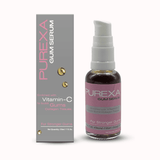








When you hear the word probiotics, you probably think about yogurt or gut health. But did you know that probiotics can also benefit your mouth?
In recent years, probiotic toothpaste has emerged as an innovative approach to oral care. Unlike conventional toothpastes that focus solely on killing bacteria, probiotic toothpaste aims to restore the natural balance of beneficial bacteria in your mouth. But does it actually work, or is it just another marketing trend?
Let's dive into what science really says.
Understanding the Oral Microbiome

Your mouth is home to over 700 different species of bacteria. While some bacteria contribute to tooth decay, gum disease, and bad breath, many others are beneficial and help maintain a healthy oral environment.
This delicate balance is known as the oral microbiome.
Problems arise when harmful bacteria begin to outnumber beneficial ones. This imbalance can lead to:
-
Tooth cavities
-
Gum inflammation
-
Bleeding gums
-
Persistent bad breath
-
Plaque buildup
-
Increased risk of periodontal disease
Maintaining a healthy oral microbiome is becoming one of the most important goals in modern dentistry.
What Is Probiotic Toothpaste?

Probiotic toothpaste contains beneficial microorganisms or ingredients that help encourage the growth of healthy bacteria while reducing harmful bacteria.
Unlike harsh antibacterial products that eliminate both good and bad bacteria, probiotic toothpaste works by promoting microbial balance rather than simply sterilizing the mouth.
Think of it this way:
Traditional toothpaste: "Kill the bacteria."
Probiotic toothpaste: "Support the good bacteria so harmful bacteria can't take over."
What Does the Research Say?

Scientific interest in oral probiotics has grown rapidly over the past decade.
Several studies have shown promising results.
1. Reduced Plaque Formation
Research suggests certain probiotic strains may compete with plaque-forming bacteria, reducing their ability to stick to the teeth.
Less plaque means a lower risk of cavities and gum disease.
2. Better Gum Health
Clinical studies have found that oral probiotics may help reduce:
-
Gum inflammation
-
Bleeding during brushing
-
Gingivitis symptoms
This occurs because beneficial bacteria can help reduce inflammatory responses caused by harmful microbes.
3. Fresher Breath
Bad breath is often caused by sulfur-producing bacteria living on the tongue and around the gums.
Some probiotic strains help decrease these odor-causing bacteria, leading to naturally fresher breath.
4. Lower Levels of Harmful Bacteria
Studies have reported reductions in harmful bacteria such as Streptococcus mutans, one of the primary organisms responsible for tooth decay.
Rather than completely eliminating bacteria, probiotics encourage healthier bacterial communities.
5. Improved Oral Microbial Balance
Emerging evidence suggests probiotics may help restore the natural diversity of bacteria after:
-
Antibiotic use
-
Gum treatments
-
Illness
-
Poor oral hygiene
A balanced microbiome is associated with healthier teeth and gums.
Can Probiotic Toothpaste Prevent Cavities?

Current evidence suggests probiotic toothpaste may help reduce the risk of cavities, but it should not be viewed as a replacement for fluoride or proper oral hygiene.
The best protection comes from combining:
-
Brushing twice daily
-
Regular flossing
-
Professional dental check-ups
-
Healthy diet
-
A toothpaste formulated to support oral microbiome health
Also Read - How Probiotics Help in Anti-Cavity?
Is It Better Than Regular Toothpaste?

Not necessarily—it depends on your oral health needs.
Traditional toothpaste remains excellent for:
-
Removing plaque
-
Delivering fluoride
-
Cleaning teeth
-
Preventing cavities
Probiotic toothpaste offers an additional benefit by helping support a healthier balance of oral bacteria.
Rather than replacing traditional oral care, it represents an evolution toward microbiome-friendly dentistry.
Who May Benefit Most?

Probiotic toothpaste may be especially helpful for people who experience:
-
Frequent cavities
-
Bleeding gums
-
Gingivitis
-
Persistent bad breath
-
Dry mouth
-
High sugar consumption
-
Orthodontic treatment (braces)
-
Recurrent plaque buildup
Individuals recovering from antibiotic therapy may also benefit from supporting the restoration of a balanced oral microbiome.
Are There Any Side Effects?

Current research indicates that probiotic toothpaste is generally well tolerated for healthy individuals.
Unlike strong antiseptic mouth rinses that may disrupt the oral microbiome with prolonged use, probiotic formulations aim to work alongside the body's natural bacterial ecosystem.
However, individuals with severe immune deficiencies or complex medical conditions should consult their dentist or physician before starting any probiotic products.
The Future of Oral Care

Dentistry is gradually shifting from simply eliminating bacteria to managing the oral microbiome.
Researchers increasingly recognize that maintaining a balanced community of beneficial bacteria may be just as important as removing harmful ones.
As more clinical studies emerge, probiotic oral care products are expected to become an increasingly important part of preventive dentistry.
The Bottom Line
So, does probiotic toothpaste actually work?
The answer is yes—but with realistic expectations.
Current scientific evidence suggests that probiotic toothpaste can:
-
Support a healthier oral microbiome
-
Help reduce plaque buildup
-
Improve gum health
-
Freshen breath naturally
-
Lower harmful bacteria associated with cavities and gum disease
While it is not a miracle cure or a replacement for good oral hygiene, probiotic toothpaste represents an exciting advancement in modern dental care.
A healthy smile isn't just about removing bacteria—it's about maintaining the right balance.
When combined with regular brushing, flossing, a healthy lifestyle, and routine dental visits, probiotic toothpaste may help support stronger teeth, healthier gums, and long-term oral wellness.
Frequently Asked Questions (FAQs)
Q1. Can probiotic toothpaste replace fluoride toothpaste?
No. Probiotic toothpaste complements good oral care but should not replace fluoride unless advised by your dentist.
Q2. How long does it take to see results?
Many users notice fresher breath within a few weeks, while improvements in gum health may take longer with consistent use and proper oral hygiene.
Q3. Is probiotic toothpaste safe for daily use?
Yes. Most probiotic toothpastes are designed for everyday use and are generally considered safe for healthy individuals.
Q4. Does probiotic toothpaste whiten teeth?
Its primary purpose is to support oral health, not whitening. Some formulations may help reduce surface stains, but they are not a substitute for dedicated whitening products.
Q5. Who should consider using probiotic toothpaste?
People with recurring bad breath, bleeding gums, frequent plaque buildup, or those looking to support a healthier oral microbiome may benefit from probiotic toothpaste.


2 comments
Doctor MOSES BUBA herbal miracle medicine for manhood enlargement , premature ejaculation , weak erection remedies , and erectile dysfunction herbs . He is a great Herbal Doctor called Doctor MOSES BUBA he helped me with manhood enlargement cream which gave me extra 4 more inches in just TWO weeks, so if you are in the same position looking for help with manhood enlargement, then contact him directly on email and calls or what’s-app him +2349046949685 / buba.herbalmiraclemedicine@gmail.com
Doctor MOSES BUBA herbal miracle medicine for manhood enlargement , premature ejaculation , weak erection remedies , and erectile dysfunction herbs . He is a great Herbal Doctor called Doctor MOSES BUBA he helped me with manhood enlargement cream which gave me extra 4 more inches in just TWO weeks, so if you are in the same position looking for help with manhood enlargement, then contact him directly on email and calls or what’s-app him +2349046949685 / buba.herbalmiraclemedicine@gmail.com