

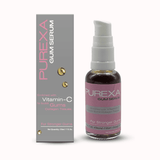








Cavities don’t appear overnight. Tooth decay usually develops gradually when plaque bacteria interact with sugars and carbohydrates in your diet, producing acids that attack tooth enamel.
The good news? Many cavities can be prevented before they ever become a problem.
A consistent oral-care routine, smart food choices, and the right toothpaste can help protect your enamel and keep your mouth healthier over time. Here are 8 daily habits that can make a meaningful difference in cavity prevention.
1. Brush Twice a Day — But Brush Properly
Brushing remains one of the most important habits for preventing tooth decay. It helps remove plaque, food particles, and bacteria before they have enough time to contribute to enamel damage.
Brush twice daily for about two minutes, paying attention to the gumline and the chewing, inner, and outer surfaces of every tooth.
Avoid aggressive brushing. More pressure doesn’t necessarily mean cleaner teeth and may contribute to enamel wear or gum irritation. A soft-bristled toothbrush and gentle technique are usually the better approach.
2. Choose a Toothpaste Designed for Cavity Protection
Your toothpaste should do more than simply make your mouth feel fresh.
For daily cavity prevention, look for a formulation designed to support enamel and control the conditions that allow harmful plaque bacteria to thrive.
PUREXA Probiotic Toothpaste takes a modern approach to everyday oral care by combining probiotic-focused oral care with Nano-Hydroxyapatite technology.
Nano-Hydroxyapatite is a material similar to the mineral naturally found in teeth. It can help support the tooth surface and enamel remineralization as part of a consistent oral-care routine.
This makes PUREXA Probiotic Toothpaste a practical option for people looking to make enamel support and everyday cavity protection part of their daily brushing routine.
PUREXA Probiotic Toothpaste — Prevent Cavities Like a Pro.
3. Clean Between Your Teeth Every Day
Your toothbrush cannot effectively reach every area between your teeth.
Plaque and food debris can remain in these tight spaces, which is one reason cavities may develop between teeth without being immediately noticeable.
Use dental floss, interdental brushes, or another dentist-recommended interdental cleaner once a day. The important thing is consistency.
Think of brushing and interdental cleaning as two parts of the same routine rather than alternatives to one another.
4. Reduce How Often You Snack on Sugary Foods
It isn’t only the total amount of sugar you consume that matters. How frequently your teeth are exposed to it matters too.
Every time you consume sugary or easily fermentable carbohydrates, oral bacteria can produce acids. Frequent snacking therefore gives your teeth repeated acid challenges throughout the day.
Try to keep sweets, sugary drinks, biscuits, and similar snacks around regular mealtimes rather than consuming them repeatedly between meals.
Your teeth benefit from having time between meals for saliva to help neutralize acids.
5. Make Water Your Everyday Drink
Water is one of the simplest additions to a cavity-prevention routine.
Drinking water helps wash away food particles and sugars while supporting saliva's natural protective role.
This is particularly useful after meals, coffee, tea, or snacks when brushing immediately isn't practical.
Keep a bottle of water nearby throughout the day and make water your default drink whenever possible.
6. Don't Ignore the Power of Saliva
Saliva is part of your mouth's natural defence system.
It helps wash away food particles, neutralize acids, and provides minerals that contribute to the natural remineralization process.
Staying hydrated supports healthy saliva production. Sugar-free chewing gum may also stimulate saliva flow for some people, particularly after meals.
Persistent dry mouth, however, shouldn't simply be ignored. Certain medications and health conditions can contribute to it, and reduced saliva can increase the risk of tooth decay. If dry mouth continues, speak with your dentist or healthcare professional.
7. Use Mouthwash as Support — Not a Replacement
Mouthwash can complement a good oral-care routine, but it shouldn't replace brushing and interdental cleaning.
Brushing physically disrupts plaque on tooth surfaces, while floss or interdental cleaning targets areas your toothbrush can't reach.
Think of mouthwash as an additional step, not a shortcut.
If you're particularly prone to cavities, ask your dentist whether a specific type of mouth rinse would be appropriate for your needs.
8. Don't Wait for Tooth Pain to Visit Your Dentist
One of the biggest misconceptions about cavities is that they always hurt.
Early tooth decay can develop without obvious symptoms. By the time you experience significant sensitivity or pain, the problem may already have progressed.
Regular dental examinations allow your dentist to identify early warning signs and assess areas that are difficult to monitor at home.
Your dentist can also recommend a recall schedule based on your individual cavity risk rather than relying on a one-size-fits-all timetable.
Small Daily Habits Can Protect Your Smile
Cavity prevention isn't about doing one extraordinary thing. It's about consistently doing several simple things well.
Brush twice daily. Clean between your teeth. Limit frequent sugar exposure. Drink plenty of water. Support healthy saliva. Use mouthwash appropriately. Visit your dentist regularly. And choose an everyday toothpaste that supports your preventive routine.
PUREXA Probiotic Toothpaste can fit naturally into this approach, combining probiotic-focused oral care and Nano-Hydroxyapatite technology for people looking to strengthen their everyday oral-care routine.
Because when it comes to cavities, prevention should begin long before the first toothache.
Written by Dr. Shipra Jaiswal, BDS, MDS, a Periodontist and Gums Specialist
Frequently Asked Questions
Can cavities really be prevented?
Many cavities can be prevented by maintaining good oral hygiene, reducing frequent sugar exposure, using an appropriate toothpaste, and having regular dental examinations. Individual risk varies, so personalized dental advice remains important.
Can an early cavity heal itself?
Very early enamel demineralization may sometimes be arrested or remineralized before a physical cavity forms. Once tooth structure has been permanently lost and a cavity has formed, professional dental treatment may be required.
How often should I brush to prevent cavities?
For most people, brushing thoroughly twice a day is recommended. Cleaning between the teeth should also be part of the daily routine.
Why is Nano-Hydroxyapatite used in toothpaste?
Hydroxyapatite is a mineral naturally present in teeth. Nano-Hydroxyapatite is used in some oral-care formulations to support remineralization and the tooth surface.
Is toothpaste alone enough to prevent cavities?
No. Toothpaste is one component of cavity prevention. Diet, brushing technique, interdental cleaning, saliva, fluoride exposure, individual risk factors, and professional dental care can all influence cavity development.


1 comment
Hello everyone i want to use this medium to appreciate the greatest spell caster Priest Ade for restoring my broken marriage, My husband and i have been having problems for months now we use to be very sweet but all of a sudden everything changed he was now distant from me until one day he told me he wanted a divorce which left me devastated i cried my eyes out so i told my friend about all that has been going on, She introduced me to Priest Ade he told me not to worry he told me all i needed to do and he assured me that in 24 hours all that is wrong with our relationship will be fine the next day to my greatest surprise it was my husband back home apologizing I’m so happy we are closer and stronger than we have ever been, I promised to share your amazing work when i get results so this is me keeping my word, Thank you so much Priest Ade,I will leave his contact information for anyone who needs help: ancientspiritspellcast@gmail.com
Read more on his website:
https://ancientspellcast.wordpress.com
WhatsApp: +2347045400361