









A healthy mouth is more than just white teeth and fresh breath. Your daily oral-care habits help protect your teeth, gums and overall oral health — and many of the most important habits take only a few minutes each day.
The key isn't having an overly complicated routine. It's doing the right things consistently.
Here are 10 essential habits for a healthy mouth that can help you build a smarter everyday oral-care routine.
1. Brush Twice a Day — Every Day
It sounds simple, but brushing properly twice a day remains one of the foundations of good oral hygiene.
Plaque continuously forms on your teeth. Regular brushing helps remove it before it contributes to cavities and gum problems.
Brush for approximately two minutes, twice a day, especially before going to bed. Instead of brushing aggressively, use gentle movements and pay attention to the gumline and hard-to-reach areas.
Remember: brushing harder doesn't necessarily mean brushing better.
2. Don't Forget to Clean Your Tongue
Your teeth aren't the only surfaces in your mouth where buildup can accumulate.
The tongue can collect bacteria, food debris and dead cells, which can contribute to an unpleasant mouth feel and bad breath.
After brushing, gently clean your tongue using a tongue cleaner.
A PUREXA Copper Tongue Cleaner can easily be added to your morning oral-care routine for simple, effective tongue cleaning.
Brush your teeth. Clean your tongue. Complete the routine.
3. Clean Between Your Teeth Daily
Your toothbrush cannot effectively clean every surface between your teeth.
That's why interdental cleaning matters.
Use dental floss or an interdental brush once a day to remove plaque and food particles from areas that ordinary brushing may miss.
This is particularly important around the gumline, where plaque buildup can contribute to gum inflammation.
4. Pay Attention to Your Gums
A healthy mouth isn't just about healthy teeth.
Your gums provide essential support around your teeth, so signs such as bleeding, redness, swelling, tenderness or recession shouldn't simply be ignored.
Brush gently around the gumline and maintain good plaque control.
If you're specifically looking to support your everyday gum-care routine, a gum-focused toothpaste can be useful.
PUREXA Healthy Gums+ Curcumin Toothpaste, for example, combines ingredients including Curcumin, Vitamin C and Pomegranate Chhal as part of its gum-care formulation.
Persistent or worsening gum problems should always be checked by a dental professional.
5. Choose Your Toothpaste According to Your Oral-Care Needs
Not everyone's mouth has exactly the same requirements.
Some people are more concerned about cavities. Others may be dealing with gum health, surface stains or specific lifestyle-related oral-care concerns.
Instead of selecting toothpaste only because of its flavour or packaging, look at its active ingredients and intended purpose.
For example, PUREXA's oral-care range includes targeted formulations for different needs, such as:
-
Probiotic Toothpaste with Nano-Hydroxyapatite for everyday cavity-focused care
-
Healthy Gums+ Curcumin Toothpaste for gum-focused care
-
Baking Soda + Charcoal Whitening Toothpaste for people concerned about surface staining
The right product should complement good oral hygiene — not replace it.
6. Limit Frequent Sugary Foods and Drinks
It's not only how much sugar you consume that matters; how frequently your teeth are exposed to it matters too.
Bacteria in dental plaque can use sugars from food and drinks to produce acids. Frequent exposure creates repeated acid challenges for your teeth.
Try to reduce constant snacking on sugary foods and frequent sipping of sweetened beverages.
Water is usually a better everyday choice than sugary or acidic drinks.
Your teeth will appreciate the difference.
7. Rinse Smartly — Don't Use Mouthwash as a Substitute for Brushing

Mouthwash can be a useful addition to an oral-care routine, but it shouldn't replace brushing or cleaning between the teeth.
Different mouthwashes are designed for different purposes, so choose one based on your needs rather than simply choosing the strongest flavour.
PUREXA, for example, offers Antioxidant Mouthwash as an alcohol-free option in flavours including Fennel Mint, Lemon Mint and Watermelon Mint.
Think of mouthwash as another step in your routine — not a shortcut around brushing and interdental cleaning.
8. Replace Your Toothbrush Regularly
Take a look at your toothbrush.
Are the bristles bent, spread out or visibly worn?
If they are, it's probably time for a replacement.
A worn toothbrush may not clean as effectively as one with bristles in good condition. A commonly used guideline is to replace your toothbrush approximately every three to four months, or sooner if the bristles become frayed.
You can also consider a PUREXA Bamboo Charcoal Toothbrush if you're looking to make a simple switch from a conventional plastic toothbrush as part of your routine.
9. Don't Ignore Stains — But Whiten Responsibly
Coffee, tea, cola, smoking and certain foods can contribute to tooth staining over time.
Wanting a brighter smile is completely understandable, but whitening should never come at the expense of responsible oral care.
Avoid aggressive DIY methods or excessive scrubbing with abrasive ingredients.
If whitening is part of your routine, choose products specifically formulated for oral use and follow their directions carefully.
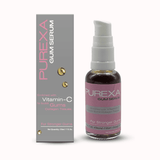
PUREXA's Purple Teeth Whitening range, including the Purple Teeth Whitening Pen, Purple Serum and Whitening Strips, is designed around a more targeted approach to managing the appearance of yellow tones and maintaining a brighter-looking smile.
A brighter smile should still be a cared-for smile.
10. Visit Your Dentist Regularly
Even an excellent home-care routine doesn't replace professional dental care.
Dental examinations can identify problems that aren't always obvious at home — including early decay, gum problems, tartar buildup and other oral-health concerns.
How frequently you need a dental check-up can vary depending on your individual oral health and risk factors, so follow the schedule recommended by your dentist.
And don't wait for pain before seeking help.
Persistent bleeding gums, tooth sensitivity, swelling, toothache, loose teeth, ulcers that don't heal or other unusual changes deserve professional attention.
The Healthy-Mouth Routine Doesn't Need to Be Complicated
Good oral health isn't built through one expensive product or one perfect brushing session.
It's built through small habits repeated every day:
Brush well. Clean between your teeth. Clean your tongue. Care for your gums. Eat thoughtfully. Choose products according to your needs. And don't skip your dental check-ups.
PUREXA's approach to oral care is built around the same idea — problem-focused, dentist-backed formulations designed to make everyday oral care more purposeful.
Because your daily routine doesn't just protect your teeth.
It protects the smile you carry every day.
Frequently Asked Questions
What are the most important habits for healthy teeth and gums?
Brushing twice daily, cleaning between your teeth, cleaning your tongue, limiting frequent sugar intake and maintaining regular dental visits are among the foundations of good oral hygiene.
How many times should I brush my teeth every day?
For most people, brushing thoroughly twice a day for around two minutes is recommended.
Do I need to clean my tongue every day?
Regular tongue cleaning can help remove accumulated debris and bacteria from the tongue and can be incorporated into your daily oral-care routine.
Is mouthwash necessary for a healthy mouth?
Not everyone requires the same mouthwash. It can complement an oral-care routine when appropriate, but it should not replace brushing or interdental cleaning.
How do I choose the right oral-care products?
Start with your actual oral-care concern — such as cavities, gum health or staining — and look at the formulation and intended use rather than choosing solely on flavour or packaging. A dentist can help you choose products if you have specific dental concerns.
Can good oral hygiene prevent every dental problem?
No. Good daily habits can substantially support oral health, but some dental conditions can still develop. That's why professional dental examinations remain an important part of long-term oral care.


1 comment
I am so happy sharing my amazing experience with the powerful spell caster Priest Ade who helped me bring my boyfriend back me and my partner was having a lot of issues things got so worst we broke up I was devastated I love him more than anything,I cried my eyes out until my friend who had a perfect relationship told me how she did it and introduced me to the wonderful man Priest Ade he told me everything was going to be Ok that there is no perfect relationship so he will help me fix mine,He told me what to do which I did and exactly 24 hours later my boyfriend came back I’m so happy thank you so much I’m going to leave his info ancientspiritspellcast@gmail.com Read more on his website ancientspellcast.wordpress.com WhatsApp: +2347045400361